Sunday, November 02, 2025

Major Grant from the Massachusetts Trial Court

Our lab has received a large grant from the Massachusetts government, specifically the Massachusetts Trial Court. With this support, we will develop AI tools and a suite of education courses for incarcerated and formerly incarcerated individuals.

What this grant makes possible

Our goal is to teach AI fundamentals and the use of digital labor platforms so participants can apply to jobs online in the tech sector and across the local Massachusetts economy.

Why these skills matter

AI and digital platforms shape how work is found, evaluated, and performed. Learning how AI systems function, how to collaborate with them, and how to build a strong online work profile increases access to opportunity. These skills help people compete for remote and local roles, grow income stability, and reduce barriers during reentry. In short, AI and digital literacy are becoming core workforce skills for Massachusetts.

Co-designed with justice-impacted leaders

Our courses were co-designed with justice-impacted team members, including Program Manager Jesse Nava and Research Assistant David Lopez, who bring lived experience from the California Department of Corrections and Rehabilitation (CDCR). Their leadership ensures the curriculum is practical, respectful, and relevant to real constraints.

When justice-impacted experts help design both the courses and the AI tools, the result is more accessible content, clearer language, and better alignment with learners’ goals. This approach also builds trust, which increases engagement and completion.

What we are building

  • AI foundations: plain-language modules on how AI works and where it shows up in everyday jobs
  • Digital labor platforms: hands-on guidance for creating profiles, finding gigs, managing reputation, and getting paid
  • Job readiness: portfolio tips, resume building with AI assistance, and interviewing practice
  • Flexible delivery: live online sessions, select in-person classes at Northeastern University, and pre-recorded tutorials that can be played on prison tablets where permitted

Looking ahead

We are grateful to the Massachusetts Trial Court for this vote of confidence. Our team is energized to deliver tangible impact for people across Massachusetts who are ready to learn, work, and thrive. We look forward to sharing milestones as the program rolls out and welcomes its first cohorts.

Saturday, June 07, 2025

Reflections from CHI 2025 in Yokohama

I just returned from an unforgettable week at CHI 2025 in Yokohama, Japan, where I had the opportunity to share research, reconnect with beautiful minds in HCI, and dive into new global conversations about how we design technology that truly works for everyone. CHI (Conference on Human Factors in Computing Systems) is one of the top international conferences on human-computer interaction, bringing together researchers to explore how people interact with technology. This year’s CHI felt especially timely—with AI rapidly reshaping how we build, communicate, and even understand each other, the urgency to design with dignity, and care has never been greater.

👩🏽‍💻 Presenting Our Paper: Generative AI, Accessibility & the Need for “AI Timeouts”

At CHI, I presented our paper, “The Impact of Generative AI Coding Assistants on Developers Who Are Visually Impaired.” In an era where tools like GitHub Copilot and ChatGPT are transforming how developers code, we asked: What happens when these tools are used by developers who are blind or visually impaired?

Using an Activity Theory framework, our team conducted a qualitative study with blind and visually impaired developers as they worked through coding tasks using generative AI assistants. We uncovered:

  • Cognitive Overload: Participants were overwhelmed by excessive AI suggestions, prompting a call for “AI timeouts” that allow users to pause or slow down AI help to regain control.
  • Navigation Challenges: Screen readers made it difficult to distinguish between user-written and AI-generated code, creating context-switching barriers.
  • Seamless Control: Participants expressed a desire for AI that adapts to their pace and supports their workflows, rather than taking over.
  • Optimism & Friction: Despite the challenges, developers were hopeful—highlighting the importance of designing AI systems grounded in lived experience.

This work offers design implications not just for accessibility, but for how to meaningfully integrate AI into diverse real-world workflows.

🔍 CHI 2025 Paper Highlights:

  • NightLight: A smartphone-based system that passively collects ambient lighting data through built-in sensors to help pedestrians choose safer nighttime walking routes. 70% of users altered their routes when shown light-augmented maps—demonstrating the power of low-cost, AI-powered safety interventions.
  • VR and Team Belonging (Mariana Fernandez, Notre Dame): A study on how VR can support inclusion in newly formed teams. Newcomers felt significantly more accepted in VR settings compared to in-person ones, thanks to avatar anonymity and immersive design reducing social pressure.
  • AI in Social Care (South Korea): An analysis of a real-world deployment of an LLM-powered voice chatbot used to check in on socially isolated individuals. Contrary to expectations, the system increased workload for frontline workers due to unforeseen maintenance burdens, revealing the “invisible labor” of human-AI collaboration.
  • Political Ideology & App Use: A U.S.-based study using structural equation modeling to show how political beliefs—not just privacy concerns—influenced adoption of COVID contact-tracing apps. People were more willing to share health data to help others than for self-protection, highlighting the deep sociopolitical layers of tech trust.
  • Participatory GenAI for Reentry (Richard Martinez, UC Irvine): A co-design study with formerly incarcerated youth using AI for creative and entrepreneurial projects. Participants designed novel GenAI use cases based on their lived experiences, reshaping notions of expertise in AI and spotlighting the need for infrastructure that serves the margins first.
  • 🎤 Keynote by Mutale Nkonde: Designing AI with Curiosity and Accountability

    This year’s keynote by Mutale Nkonde—AI policy researcher and founder of AI for the People—delivered a powerful critique of current AI design paradigms. Drawing from her background in journalism and digital humanities, she called for a socio-technical approach to AI that centers lived experience, history, and adaptability.

    • Main Argument: AI is often misused “in the wild” because designers fail to anticipate the messy, social realities in which systems operate.
    • Example: Google’s LLM generating Nazi content was framed as a failure of foresight—designers had not imagined the breadth of harm users could elicit.
    • Call to Action: Combine social science frameworks with red teaming—adaptive, adversarial simulations that surface hidden risks by testing evolving AI tools in diverse cultural and political contexts.
    • Critique: She acknowledged the tension between tech and social science communities, urging for mutual learning rather than an “us vs. them” stance.

    Takeaway: If we want AI to serve the public good, we must not only anticipate user behavior—but also stress-test systems with communities who will be most affected.

    💬 Co-Organizing the Workshop on Explainable AI

    I also co-organized the “Explainable AI in the Wild” workshop, where we asked: How do we build explainable AI that works for real people? We explored questions of power, cultural context, and transparency—moving beyond technical definitions to address who needs explanations and why.

    🌏 Yokohama: A City of Reflection and Futurism

    Yokohama provided the perfect backdrop to reflect on global futures in tech. From stunning harbor views to the mix of tradition and innovation, it was the ideal setting for a conference rooted in community and vision.

    One of the personal highlights of the trip was reconnecting with my PhD advisor, who attended my talk and offered thoughtful feedback. We also had dinner together with his lab—my academic siblings—and spent the evening exchanging stories, laughing, and reflecting on the winding paths of our research journeys. It was deeply inspiring to hear about his current work and to receive career advice grounded in years of experience navigating academia, mentoring, and interdisciplinary research.

    Moments like these remind me of the value of mentorship and how much we grow by staying connected to those who helped shape our intellectual foundations. I left that dinner energized and grateful for the ongoing guidance and camaraderie in our academic lineage.

    ✨ Final Thoughts

    CHI 2025 reaffirmed a belief I hold deeply: the future of AI must be human-centered, justice-oriented, and designed in partnership with those most often excluded.

    Our tools can either widen the gaps—or help bridge them. It’s on us to choose the latter.

    Until next time, CHI. 🫶

    #CHI2025 #AccessibleTech #AIForGood #ParticipatoryDesign #GenerativeAI #XAI #HumanCenteredAI #DigitalJustice #HCI #InclusionInTech #Yokohama

    Sunday, March 23, 2025

    Crea tu primer sitio web interactivo impulsado por IA generativa con el modelo LLaMA de Meta

    ¡Hola amigas y amigos! 👋

    En este tutorial, vas a crear una página web súper sencilla donde las personas puedan escribir una pregunta y recibir una respuesta de una IA — ¡igual que con ChatGPT! Pero aquí usarás el modelo LLaMA de Meta (un modelo de IA de código abierto) a través de Hugging Face.

    Vas a aprender a:

    • ✅ Usar un modelo de IA
    • ✅ Crear una página web básica
    • ✅ Conectar todo con código en Python

    🧠 ¿Qué herramientas vamos a usar?

    Antes de comenzar a escribir código, conozcamos las herramientas:

    🟣 Hugging Face

    Imagina una biblioteca gigante de modelos de IA poderosos (como LLaMA, GPT, etc.) que puedes usar en tus proyectos. Es como el Netflix de los modelos de IA — ¡solo inicia sesión, elige uno y listo!

    🟠 Flask (Python)

    Es un programa ligero que convierte tu código en Python en una pequeña página web. Es como el cerebro que está detrás de escena — recibe la pregunta del usuario, se la pasa a la IA, y devuelve la respuesta.


    ✅ Tutorial paso a paso

    🔧 Paso 1: Abre Google Colab

    Ve a Google Colab y abre un nuevo notebook.

    📦 Paso 2: Instala las herramientas necesarias

    !pip install flask flask-ngrok transformers torch pyngrok

    🔐 Paso 3: Inicia sesión en Hugging Face

    1. Visita https://huggingface.co
    2. Inicia sesión → Ve a Settings > Access Tokens
    3. Copia tu token y pégalo aquí:
    from huggingface_hub import login
    HUGGING_FACE_KEY = "pega-tu-token-aquí"
    login(HUGGING_FACE_KEY)

    🤖 Paso 4: Carga el modelo LLaMA de Meta

    from transformers import AutoTokenizer, AutoModelForCausalLM
    import torch
    
    model_name = "meta-llama/Llama-3.2-1B"
    tokenizer = AutoTokenizer.from_pretrained(model_name)
    model = AutoModelForCausalLM.from_pretrained(model_name)

    🧠 Paso 5: Construyamos el backend (el cerebro del sitio web)

    ¿Qué es el backend?
    Es como el chef en un restaurante. La persona hace un pedido (una pregunta), y el backend prepara la respuesta usando IA.

    from flask import Flask, request, jsonify
    from flask_ngrok import run_with_ngrok
    
    app = Flask(__name__)
    run_with_ngrok(app)
    
    @app.route("/ask", methods=["POST"])
    def ask():
        prompt = request.json.get("prompt", "")
        inputs = tokenizer(prompt, return_tensors="pt")
        outputs = model.generate(inputs["input_ids"], max_length=100)
        response = tokenizer.decode(outputs[0], skip_special_tokens=True)
        return jsonify({"response": response})

    🌐 Paso 6: Crea la página web (frontend)

    Ahora vamos a construir la parte que las personas ven e interactúan — el frontend.

    %%writefile index.html
    <!DOCTYPE html>
    <html>
    <head><title>Pregúntale a la IA</title></head>
    <body>
      <h2>Pregúntale a la IA</h2>
      <textarea id="prompt" rows="4" cols="50" placeholder="Escribe tu pregunta aquí..."></textarea><br>
      <button onclick="askAI()">Preguntar</button>
      <p><strong>Respuesta:</strong> <span id="response"></span></p>
    
      <script>
        async function askAI() {
          const prompt = document.getElementById("prompt").value;
          const res = await fetch("/ask", {
            method: "POST",
            headers: { "Content-Type": "application/json" },
            body: JSON.stringify({ prompt: prompt })
          });
          const data = await res.json();
          document.getElementById("response").innerText = data.response;
        }
      </script>
    </body>
    </html>

    🧩 Paso 7: Conecta todo y ejecuta la app

    from flask import send_from_directory
    
    @app.route('/')
    def serve_frontend():
        return send_from_directory('.', 'index.html')
    
    app.run()

    Vas a recibir un enlace como este: https://xxxxx.ngrok.io
    ¡Haz clic y... 🎉 tu sitio web con IA está EN VIVO!


    🏁 ¡Misión cumplida!

    Acabas de construir:

    • Un asistente de IA funcionando con el modelo LLaMA de Meta
    • Una página web personalizada
    • Un backend en Python que conecta todo

    ¡Ya estás programando con modelos de IA reales! Bienvenida/o al mundo del desarrollo con inteligencia artificial 💻🤖🧠

    Build Your First Interactive Generative AI Website with Meta’s LLaMA Model

    Hi friends! 👋

    In this tutorial, you’ll create a super simple website where users can type a question and get a response from an AI — just like ChatGPT, but using Meta’s LLaMA model (an open-source AI model) through Hugging Face.

    You’ll learn how to:

    • ✅ Use an AI model
    • ✅ Create a basic web page
    • ✅ Connect it all with Python code

    🧠 What Are These Tools?

    Before we start coding, let’s understand the tools we’re using:

    🟣 Hugging Face

    Think of this as a giant library of powerful AI models (like LLaMA, GPT, etc.) that you can use in your own apps. It’s like the Netflix of AI models — just log in, choose a model, and go!

    🟠 Flask (Python)

    This is a mini program that turns your Python code into something that can be used on a website. It’s like the brain behind the scenes — it listens to the user’s question, sends it to the AI, and gives back the answer.


    ✅ Step-by-Step Tutorial

    🔧 Step 1: Open Google Colab

    Go to Google Colab and open a new notebook.

    📦 Step 2: Install the Tools We Need

    !pip install flask flask-ngrok transformers torch pyngrok

    🔐 Step 3: Log Into Hugging Face

    1. Go to https://huggingface.co
    2. Sign up/log in → Go to Settings > Access Tokens
    3. Copy your token and paste it into this code:
    from huggingface_hub import login
    HUGGING_FACE_KEY = "paste-your-key-here"
    login(HUGGING_FACE_KEY)

    🤖 Step 4: Load Meta’s LLaMA Model

    from transformers import AutoTokenizer, AutoModelForCausalLM
    import torch
    
    model_name = "meta-llama/Llama-3.2-1B"
    tokenizer = AutoTokenizer.from_pretrained(model_name)
    model = AutoModelForCausalLM.from_pretrained(model_name)

    🧠 Step 5: Let’s Build the Backend (The Brain Behind the Website)

    What’s the backend? It’s like the chef in a restaurant. The user places an order (asks a question), and the backend prepares the response using AI.

    from flask import Flask, request, jsonify
    from flask_ngrok import run_with_ngrok
    
    app = Flask(__name__)
    run_with_ngrok(app)
    
    @app.route("/ask", methods=["POST"])
    def ask():
        prompt = request.json.get("prompt", "")
        inputs = tokenizer(prompt, return_tensors="pt")
        outputs = model.generate(inputs["input_ids"], max_length=100)
        response = tokenizer.decode(outputs[0], skip_special_tokens=True)
        return jsonify({"response": response})

    🌐 Step 6: Create the Web Page (Frontend)

    Now, let’s build the frontend — the part that people see and interact with.

    %%writefile index.html
    <!DOCTYPE html>
    <html>
    <head><title>Ask AI</title></head>
    <body>
      <h2>Ask the AI</h2>
      <textarea id="prompt" rows="4" cols="50" placeholder="Type your question here..."></textarea><br>
      <button onclick="askAI()">Ask</button>
      <p><strong>Response:</strong> <span id="response"></span></p>
    
      <script>
        async function askAI() {
          const prompt = document.getElementById("prompt").value;
          const res = await fetch("/ask", {
            method: "POST",
            headers: { "Content-Type": "application/json" },
            body: JSON.stringify({ prompt: prompt })
          });
          const data = await res.json();
          document.getElementById("response").innerText = data.response;
        }
      </script>
    </body>
    </html>

    🧩 Step 7: Connect It All and Run the App

    from flask import send_from_directory
    
    @app.route('/')
    def serve_frontend():
        return send_from_directory('.', 'index.html')
    
    app.run()

    You'll get a link like this: https://xxxxx.ngrok.io
    Click it and... 🎉 Your AI-powered website is LIVE!


    🏁 Final Words

    You just built:

    • A working AI assistant using Meta's LLaMA model
    • A custom web page
    • A backend in Python to power it

    You're officially coding with real AI models. That’s amazing. Welcome to the world of AI development!

    Friday, March 21, 2025

    Mini-Course: Start Gig Work with Generative AI

    I'm excited to share a brand-new mini-course designed to help you start your freelance journey using the power of Generative AI! 💡🤖

    This course walks you through how to:

    • ✅ Identify the best freelance gigs based on your skills and cultural background
    • ✅ Use AI tools to find opportunities that help you earn more & work smarter
    • ✅ Take actionable steps to launch your freelance business 🚀

    Whether you're just starting out or looking to level up your freelance game, this course gives you the tips, tools, and mindset to succeed.

    🔵 Check it out here: Watch Now

    💬 Let’s talk! Where are you in your freelancing journey? Will you be using any of these strategies in your business? Have you tried using Generative AI to support your work?

    👇 Drop your thoughts in the comments — I’d love to hear from you!

    #Freelancing #GigWork #GenerativeAI #AIforWork #WorkSmarter #FreelancerTips

    Sunday, March 02, 2025

    Navigating the Gig Economy with AI: Building a Smart Career Guidance System

    By: Aishwarya Abbimutt Nagendra Kumar (Civic AI Lab Research Assistant)

    Navigating the Gig Economy with AI: Building a Smart Career Guidance System

    In today’s fast-paced gig economy, freelancers and gig workers often face challenges in navigating career growth. The lack of structured guidance makes it difficult to identify in-demand skills, map transferable expertise to emerging roles, or even decide the next best career move. With a surge in remote work and technology-driven industries, the need for personalized career advice has never been more critical.

    To address this problem, I embarked on a project to build an AI-driven Skill Recommendation System that empowers gig workers by providing actionable career insights. By leveraging cutting-edge generative AI and retrieval-augmented generation (RAG) techniques, this system generates tailored recommendations based on user profiles, market trends, and income data. Here’s how I approached this exciting challenge.

    Understanding the Problem

    Gig workers often lack access to structured career counseling or platforms that provide:

    • A clear understanding of in-demand skills in the current market.
    • Insight into how their existing skills can translate into better-paying roles.
    • Recommendations for upskilling or career switches based on industry trends.

    While some online platforms provide generalized advice, there is a gap in delivering personalized and data-driven recommendations tailored to individual profiles and aspirations.

    The Solution

    The system I created combines two smart components to help gig workers make better career decisions:

    1. Market Insights Engine: This part of the system looks up and gathers important information about the job market, like which skills are in demand and what career paths are trending.
    2. Personalized Career Advisor: This part takes a user’s skills and goals and suggests the best career paths or skills to learn to move forward in their career.

    Together, these components work smoothly to analyze the user's information and provide clear, practical advice through an easy-to-use interface.

    The Pipeline

    1. Retrieval-Augmented Generation (RAG) Pipeline

    The RAG pipeline is the backbone of the system, enabling contextual retrieval of market data and generating insightful responses. Here’s how it works:

    • Document Processing: The pipeline processes large datasets of market trends and job requirements, breaking them into manageable chunks for analysis.
    • Embeddings and Semantic Search: Using an embedding model, the pipeline converts text into vector representations, which are stored in ChromaDB, a high-performance vector database. This allows for efficient retrieval of relevant data based on user queries.
    • Response Generation: Leveraging a generative LLM (I have used the Llama 3.2 model), the pipeline synthesizes a comprehensive response by combining retrieved information with generative capabilities.

    This integration of retrieval and generation ensures that the system provides career advice backed by real-time market data, enhancing its relevance and precision.

    2. Recommender Pipeline

    The recommender pipeline delivers personalized career advice through four main tasks:

    • Skill Mapping: Matches the user’s existing skills with in-demand job roles.
    • Income Comparison: Provides a comparative analysis of income potential across suggested roles.
    • Career Recommendation: Based on the skill mapping and income comparison, the best career path is chosen.
    • Upskilling Recommendations: Suggests specific skills to learn, complete with links to curated resources for training.

    The Language Model (LLM) pipeline is at the heart of the recommendation system, designed to generate career guidance and skill suggestions. For this purpose, we utilize the Llama 3.2 Instruct-tuned model, known for its capability to generate nuanced and contextually relevant outputs.

    How It Works

    The LLM pipeline begins by collecting user input, such as their skills and current income. This data is dynamically integrated into carefully crafted prompts. Significant effort has been invested in prompt engineering to ensure that the LLM comprehends the user’s context and provides insightful recommendations. We also use chain-of-thought prompting, which encourages the model to reason step-by-step, resulting in more logical and detailed outputs.

    Model Access and Integration

    The Llama 3.2 model is accessed via the Hugging Face API. After obtaining permissions from both Meta (the model's creator) and Hugging Face, an API token was securely stored in a .env file. This token is used to integrate the model into the pipeline, ensuring seamless access.

    Integration of LLM and RAG Pipelines

    The integration of the LLM and RAG pipelines ensures that the system provides recommendations informed by both user-specific data and market-driven insights. The integration workflow is implemented as follows:

    1. The RAG pipeline retrieves relevant contextual information and stores it in a JSON file.
    2. This file is dynamically referenced in the LLM pipeline’s prompts.
    3. The combined output is presented to the user via a user-friendly web interface built using Gradio.

    Gradio Interface

    The Gradio interface allows users to input their skills and income and receive actionable career advice.

    Future Work

    • Evaluation Metrics: Robust evaluation methodologies will be developed to quantify the effectiveness of the recommendations.
    • Fine-tuning the LLM: Future iterations will involve fine-tuning the LLM on real gig worker profiles for enhanced personalization.
    • Expanded Data Sources: Incorporating more diverse and comprehensive datasets will improve the accuracy of recommendations.

    Conclusion

    This project demonstrates the transformative potential of generative AI in career guidance. By addressing the unique challenges faced by gig workers, this system provides a valuable resource for upskilling, career switching, and achieving financial growth.

    Stay tuned for updates and enhancements! Check out the GitHub repository here:

    GitHub Repository

    Thursday, February 06, 2025

    🚀 Ethical AI at Akamai 🤖

    I was truly honored to give a lightning talk on Ethical AI at Akamai Technologies in collaboration with The Mass Technology Leadership Council🔥—New England’s premier network for tech companies driving innovation & global impact 🌎.

    Opening Words from Akamai CTO

    🎤 We kicked off with Opening Words from Robert Blumofe, CTO of Akamai, who gave a powerful talk on why AI ethics is fundamentally different from traditional algorithms. Unlike past computing systems, today’s AI can make decisions humans used to make 🤯, meaning we must get AI ethics right from the start!

    My Talk: Ethical AI for All Stakeholders

    🧠 I then had the opportunity to present, where I shared how ethical AI requires considering ALL stakeholders—from the data labelers 🏗️, to the engineers designing the models 🖥️, to the end users 📲, and the companies integrating AI 💡. Only by taking a holistic approach can we ensure AI is fair, sustainable, and beneficial for everyone!

    Generative AI for Ethical Workflows

    💡 I also showcased generative AI tools my research lab has created to support AI workers, ensuring a win-win ecosystem where AI is built more ethically from the ground up. (Slides attached below! ⬇️)

    Women in AI: Liz Graham's Inspiring Leadership

    ✨ Next up, Liz Graham, CEO of Ada IQ, shared how her company, founded by Northeastern University professors, is using generative AI to support the entire product lifecycle. Seeing a woman entrepreneur and tech leader 🔥🚀 at the forefront of AI innovation was incredibly inspiring! 💪 It reinforced why diverse leadership is key in shaping the future of AI.

    AI Literacy & The Kendall Project

    🤝 I also loved meeting Brendan McSheffrey from The Kendall Project, which is working to educate companies across New England on how to integrate AI into their workflows. 🎓💼 AI literacy is crucial to making AI accessible and driving responsible innovation.

    Gratitude & Next Steps

    🙏 A huge thank you to Nayla Daly for the invitation and to Michelle Gardner from Khoury College of Computer Sciences for fostering faculty-industry collaborations 🤝.

    💭 Looking forward to more collaborations and conversations on how we can build AI that is ethical, inclusive, and transformative! 🚀

    Monday, December 30, 2024

    Using AI for Peace-Building with IFIT

    On the last Monday of the year, I had the privilege of collaborating with my lab to deliver a mini-course on prompt engineering for the Institute for Integrated Transitions (IFIT). IFIT’s remarkable work supports fragile and conflict-affected states in achieving inclusive negotiations and sustainable transitions out of war, crisis, or authoritarianism. From their role in the Colombia-FARC peace-building process to their ongoing efforts in Sudan, their impact is both inspiring and transformative.

    Course Highlights

    Our mini-course focused on equipping IFIT with tools to use generative AI in their peace-building initiatives. Specifically, we explored how to design surveys that can illuminate regional polarization dynamics in Sudan. Here’s what we covered:

    • Creating open-ended and multiple-choice survey questions to understand the effects of tribal and ethnic affiliations on polarization.
    • Using AI to iterate and refine survey questions for clarity and cultural sensitivity.
    • Tailoring surveys for different populations and translating them into local languages using AI tools.
    • Employing AI for A/B testing to optimize survey effectiveness.

    A Team Effort

    This course was a true team effort. A big thank you to Jesse Nava, our program manager, and Rafael Morales from UNAM. Their extensive experience creating surveys for marginalized communities and working with gang-affiliated networks added invaluable depth and expertise to the course.

    Explore More

    If you’re interested in learning more about how generative AI can support peace-building initiatives, we’ve made our slides available for further exploration. We hope they inspire new ways to leverage technology for positive change.

    #AIforGood #PeaceBuilding #GenerativeAI #PromptEngineering

    Thursday, December 12, 2024

    How to Summon AI Magic with Python: A Fun Guide to Generative AI APIs

    Hey there, tech explorers! Ever wanted to whip up some magical AI-generated text, like having robot Shakespeares at your fingertips? Well, today’s your lucky day! We’re here to break down a piece of Python code that lets you chat with a fancy AI model and generate text like pros. No PhDs required, we promise.

    First Things First: The Toolbox

    Before we can talk to the AI, we need to grab some tools. Think of it like prepping for a camping trip—you need a tent (the model) and some snacks (the tokenizer).

            
    pip install transformers


    This command installs the Transformers library, which is like the Swiss Army knife of AI text generation. It’s brought to you by Hugging Face (no, not the emoji—it’s a company!).

    Step 1: Unlock the AI Vault

    We’ll need to log in to Hugging Face to get access to their cool models. Think of it as showing your library card before borrowing books.

            
    from huggingface_hub import login
    login("YOUR HUGGING FACE LOGIN")


    Replace "YOUR HUGGING FACE LOGIN" with your actual login token. It’s how we tell Hugging Face, "Hey, it’s us—let us in!"

    Step 2: Meet the Model

    Now we load the AI brain. In our case, we’re using Meta’s Llama 3.2, which sounds like a cool llama astronaut but is actually an advanced AI model.

            
    from transformers import AutoTokenizer, AutoModelForCausalLM
    import torch
    
    model_name = "meta-llama/Llama-3.2-1B"
    tokenizer = AutoTokenizer.from_pretrained(model_name)
    model = AutoModelForCausalLM.from_pretrained(model_name, device_map="auto")


    - Tokenizer: This breaks down your input text into AI-readable gibberish. - Model: The big brain that generates the text.

    Step 3: Give It Something to Work With

    Now comes the fun part: asking the AI a question or giving it a task.

            
    input_text = "Explain the concept of artificial intelligence in simple terms."
    inputs = tokenizer(input_text, return_tensors="pt")


    - input_text: This is your prompt—what you’re asking the AI to do. - tokenizer: It converts your input into numbers the model can understand.

    Step 4: Let the Magic Happen

    Here’s where the AI flexes its muscles and generates text based on your prompt.

            
    outputs = model.generate(
        inputs["input_ids"].to("cuda"), 
        max_length=100, 
        num_return_sequences=1, 
        temperature=0.7, 
        top_p=0.9, 
    )


    - inputs["input_ids"].to("cuda"): Sends the work to your GPU if you’ve got one. - max_length: How long you want the AI’s response to be. - temperature: Controls creativity. - top_p: Controls how "risky" the word choices are.

    Step 5: Ta-Da! Your Answer

    Finally, we take the AI’s response and turn it back into human language.

            
    generated_text = tokenizer.decode(outputs[0], skip_special_tokens=True)
    print(generated_text)


    skip_special_tokens=True tells the AI, "Please don’t include random weird symbols in your answer."

    So, What’s Happening Under the Hood?

    Here’s a quick analogy for how this works:

    • We give the AI a prompt (our input text).
    • The tokenizer translates our words into numbers.
    • The model (our AI brain) uses these numbers to predict the best possible next words.
    • It spits out a response, which the tokenizer translates back into words.

    It’s like ordering a coffee at Starbucks: we place the order, the barista makes it, and voilà—our coffee is ready!

    Why Should We Care?

    Generative AI APIs like this are the backbone of chatbots, creative writing tools, and even marketing copy generators. Whether we’re developers, writers, or just curious, playing with this code is a great way to dip our toes into the AI ocean.

    Ready to Try It?

    Copy the code, tweak the prompt, and see what kind of magic we can summon. Who knows? We might create the next big AI-powered masterpiece—or at least have some fun along the way.

    Now go forth and generate! 🎉

    Wednesday, November 27, 2024

    Using Generative AI to Create Sustainable Business Plans: A Mini-Course at the University of Sonora

    Last week, we had the incredible opportunity to deliver a mini-course at the University of Sonora on how to use generative AI to craft sustainable business plans. The session was designed to empower students and budding entrepreneurs to integrate cutting-edge AI tools, such as ChatGPT, into their business planning processes. This event showcased the practical applications of AI for innovation and sustainability, offering hands-on experience and collaborative learning.

    The Course in Action

    The course focused on teaching participants how generative AI can assist in every stage of business planning, including:

    • Brainstorming Ideas: Using AI to refine concepts, identify potential gaps, and generate creative alternatives.
    • Market Research: Employing AI for customer analysis, trend identification, and competitive landscape evaluation.
    • Feasibility Assessments: Exploring cost structures, revenue models, and risk mitigation strategies.
    • Customer Feedback Simulation: Generating insights by simulating customer reactions and improving marketing strategies.
    • SWOT Analysis: Leveraging AI to identify internal strengths and weaknesses and external opportunities and threats.

    Participants were encouraged to experiment with AI tools to practice crafting mission statements, vision statements, and value propositions tailored to their sustainable business goals.

    Collaborators Making a Difference

    The course was a collaborative effort between three instructors, each bringing unique expertise to the table:

    • Dr. Saiph Savage
      A computer scientist and expert in human-centered AI, Saiph provided a technical and strategic perspective on how AI can be applied to the future of work and sustainable business practices.
    • Dr. Rafael Morales
      Originally from Mexico City and a PhD in Political Science from UNAM, Rafael brought a nuanced understanding of how to align AI-driven business strategies with government policies. He highlighted opportunities for collaboration between businesses and governments to promote social good.
    • Jesse Nava
      With extensive experience launching ventures for marginalized communities, including startups supporting low-income Hispanics and formerly incarcerated individuals in the U.S., Jesse shared real-world insights into how AI can help create inclusive, impactful business models.

    Why Generative AI?

    Generative AI, like ChatGPT, offers a unique advantage for entrepreneurs by providing accessible tools to:

    • Refine business ideas and strategies.
    • Perform rapid iterations to improve outcomes.
    • Enhance collaboration and creativity.
    • Develop sustainable and socially conscious plans.

    The session emphasized the importance of human-centered design to ensure that AI tools remain inclusive, adaptable, and aligned with ethical practices.

    Gratitude and Looking Ahead

    We want to thank the University of Sonora and Dr. Alma Brenda Leyva Carreras for the invitation to deliver this course. It was an honor to collaborate with a multidisciplinary group of students and share knowledge at the intersection of AI, business, and sustainability.

    As we move forward, we aim to continue these efforts, fostering a deeper understanding of how AI can empower diverse communities and create a brighter, more sustainable future for all.

    Thursday, November 07, 2024

    Keynote Speaker at the Mexican AI Conference (MICAI)

    Caption: My father, me, and Mexican Professor Beto Ochoa-Ruiz (chair of the Mexican AI Conference) at MICAI in Puebla.

    It was an incredible honor to be the keynote speaker at the Mexican AI Conference, a prestigious event with over 40 years of history organized by the Mexican Society for Artificial intelligence. I had the privilege of being a keynote speaker and presenting my research on designing worker-centric AI tools, and it was truly inspiring to see such a vibrant and thriving AI community in Mexico.

    Conference Highlights

    The conference itself was filled with fascinating talks and discussions. I especially enjoyed the presentation by Professor XX from the University of Toronto, who is pioneering AI systems to quantify and understand smell—an area of AI that I had not previously considered but found fascinating.

    I also appreciated reconnecting with Professor Ricardo Baeza Yates, a distinguished researcher at Northeastern University. His work in establishing impactful AI labs in both industry and academia has been transformative, particularly in Latin America. His efforts with Yahoo Research have opened new pathways for research and innovation in the region, creating opportunities for countless researchers.

    INAOE: A Unique Setting

    The conference took place at the National Institute of Astrophysics, Optics, and Electronics (INAOE), a premier research institution in Mexico. Situated in a serene wooded area, INAOE is home to some stunning telescopes, blending cutting-edge technology with natural beauty. This unique setting added a special touch to the conference, enhancing the overall experience.

    Caption: An overview of the speakers, participants, and organizers of the conference.

    Special Moments with My Father

    One of the most memorable aspects of this experience was attending the conference with my father, who has dedicated much of his career to AI and robotics. We drove together from Mexico City to Puebla, where the conference was held, and this journey gave us the unique opportunity to spend rich quality time together. Our conversations ranged from AI to personal reflections, making this trip a deeply meaningful experience for both of us.

    Exploring the City of Puebla

    Puebla is an impressive city, renowned for its rich history and architectural beauty. During our visit, I was particularly captivated by its churches, which showcase the Churrigueresque style. This ornate style is a fusion of local Indigenous art and Spanish Baroque, characterized by its elaborate decorations and intricate details. It stands as a testament to the cultural confluence that shaped Puebla’s identity.

    Final Reflections

    Overall, it was a privilege to be part of such a dynamic and supportive AI research community. The Mexican AI Conference not only provided a platform to share my research but also allowed me to engage with brilliant minds and immerse myself in the rich cultural and scientific landscape of Puebla.

    Sunday, November 03, 2024

    Co-Organizing a Workshop at AAAI HCOMP on Designing AI Tools for the Future of Work

    We recently had the honor of co-organizing a workshop at the AAAI Human Computation and Crowdsourcing Conference (HCOMP) in Pittsburgh. This workshop focused on designing AI tools for the future of work and brought together diverse perspectives and innovative ideas.

    Keynote Speaker: Sara Kingsley

    Caption: Sara Kingsley giving her keynote at our workshop where she explained about her research on designing human centered AI for the future of work. She is especially focused on using red-teaming techniques to conduct online audits around AI in the work place, identify biases around current AI tools, and then designing AI driven interventions to address the challenges.

    One of the highlights of our workshop was having Sara Kingsley as our keynote speaker. Sara is a researcher at Carnegie Mellon University and has extensive experience working at Meta and within the US Federal government, specifically in the Secretary of Labor.

    In her engaging talk, Sara shared her work using red teaming—a process where experts challenge and test systems to find vulnerabilities or weaknesses—to identify problematic job ads and content related to job advertising. She explained how she applies red teaming to ensure that job ads do not propagate harmful biases or misleading information. This approach allows her to design human-centered AI tools that can create better, more equitable AI-driven futures for workers.

    This type of research is critical as it helps to identify and mitigate potential biases and harms in AI systems before they impact real users. We were especially proud to note that Sara recently won the best paper award at HCOMP’24 on this very topic. Congratulations to Sara on this well-deserved recognition! We are proud to have had her as a keynote speaker in our workshop.

    Co-Design Activity with Community Partners

    Caption: Our research collaborator Jesse Nava in his workforce development programs for former/current prisoners.

    Another unique aspect of our workshop was the co-design activity we held with workshop participants and current and former prisoners from California’s Department of Corrections and Rehabilitation. Our community partner, Jesse Nava, joined us via call, making this session truly impactful.

    During this co-design activity, participants proposed ideas for generative AI tools that could support the reintegration of former prisoners into the workforce. Jesse provided invaluable feedback on these proposals, sharing his perspective on potential harms, biases, and areas where these tools could be improved to better serve the formally incarcerated population.

    This was a unique experience as it allowed us to receive direct feedback from real-world stakeholders who would be directly affected by these AI tools. The opportunity to co-design with such engaged partners highlighted the importance of including diverse voices and lived experiences in the development process.

    Closing Thoughts

    We concluded the workshop with a sense of excitement and renewed commitment to continue designing the future of generative AI tools together. This collaborative approach is key to creating technologies that are inclusive, fair, and genuinely supportive of the communities they aim to serve.

    Thank you to everyone who participated and contributed to making this workshop a success. We look forward to future opportunities to innovate, collaborate, and create impactful AI solutions.

    Sunday, August 25, 2024

    Driving the Future of Work in Mexico through Artificial Intelligence: My Experience with the Global Partnership on AI (GPAI)

    As an expert selected by the Mexican federal government to be part of the Global Partnership on AI (GPAI), I have had the honor of contributing to the working group on "AI for the Future of Work." My participation in this group has been an enriching and transformative experience, especially in the context of how artificial intelligence (AI) can and should positively impact the labor market in Mexico.

    During my time with GPAI, I led several key initiatives that emphasize the importance of integrating AI into the workplace. One of the most notable was securing €20,000 to fund internships focused on creating AI for workers, specifically for Mexican students. These internships not only provide development opportunities for our youth but also foster the creation of technology that can improve working conditions in our country.

    In these internships, we taught students the importance of developing human-centered artificial intelligence, an approach that prioritizes the well-being and needs of people in the design and implementation of technologies. Students learned to apply these principles while working on concrete projects, such as developing intelligent assistants for the Ministry of Foreign Affairs. These assistants were specifically designed to facilitate passport processing, improving the efficiency and accessibility of these services for Mexican citizens.

    Additionally, in collaboration with INFOTEC, several UNAM students were hired as interns to implement artificial intelligence solutions in various government areas. This experience was crucial for students to apply their knowledge in a real-world setting and contribute directly to the modernization of the public sector. Collaborations between government and academia, like this one, are essential for integrating cutting-edge technologies and ensuring that Mexico remains at the forefront of AI use to improve public services.

    Another significant contribution was leading the development of a new AI aimed at supporting both workers and the government. This project, developed by talented UNAM students, not only demonstrates the capabilities of our youth but also positions Mexico as a leader in the creation of labor-inclusive technology.

    My work with GPAI has also allowed me to lead global studies on the impact of AI in the workplace, publishing scientific articles that have contributed to the international discussion on this crucial topic. Additionally, I have had the privilege of advising senators from the United States and Mexico on how AI can transform work, ensuring that informed decisions are made to benefit workers.

    Recommendations for the Mexican Federal Government

    Throughout this experience, I have developed some recommendations that I consider essential for Mexico to stay at the forefront of AI integration in the workplace:

    1. Creation of International Training Programs: It is essential that Mexico invests in training our citizens in the latest trends and AI technologies at a global level. This will not only improve our internal capabilities but also strengthen our position on the international stage.
    2. Internships in AI + GovTech: Propose the creation of internship programs that combine AI with GovTech, training future leaders at the intersection of technology and governance. This will allow for a more efficient and modern public administration.
    3. Strengthening the Support Network for Mexicans Abroad: The Ministry of Foreign Affairs should promote scientific and AI connections between Mexican and international universities. These collaborations will not only facilitate the exchange of knowledge but also help our nationals abroad access strong support networks and advanced technological resources.
    4. Promotion of Government-Academia Collaborations: It is crucial to strengthen collaborations between the government and academia to create a robust ecosystem that drives the development of new artificial intelligence technologies in Mexico. These alliances will allow young talent to integrate into projects that modernize and improve public administration, ensuring that technological innovations benefit society as a whole.

    My participation in GPAI has not only been an honor but also an opportunity to positively influence the future of work in Mexico. Through these recommendations, I trust that our country can continue moving towards a future where AI is a tool for growth and the well-being of all Mexicans.

    Impulsando el Futuro del Trabajo en México a través de la Inteligencia Artificial: Mi Experiencia en el Global Partnership on AI (GPAI)

    Como experta seleccionada por el gobierno federal mexicano para formar parte del Global Partnership on AI (GPAI), he tenido el honor de contribuir al grupo de trabajo en "AI for the Future of Work". Mi participación en este grupo ha sido una experiencia enriquecedora y trascendental, especialmente en el contexto de cómo la inteligencia artificial (IA) puede y debe impactar positivamente el mercado laboral en México.

    Durante mi tiempo en GPAI, he liderado varias iniciativas clave que subrayan la importancia de integrar la IA en el ámbito laboral. Una de las más destacadas fue la obtención de €20,000 para financiar prácticas profesionales enfocadas en la creación de IA para obreros, dirigidas a estudiantes mexicanos. Estas prácticas no solo brindan oportunidades de desarrollo a nuestros jóvenes, sino que también fomentan la creación de tecnología que puede mejorar las condiciones laborales en nuestro país.

    En estas prácticas, enseñamos a los estudiantes sobre la importancia de desarrollar inteligencia artificial centrada en los humanos, un enfoque que prioriza el bienestar y las necesidades de las personas en el diseño y la implementación de tecnologías. Los estudiantes aprendieron a aplicar estos principios mientras trabajaban en proyectos concretos, como el desarrollo de asistentes inteligentes para la Secretaría de Relaciones Exteriores. Estos asistentes fueron diseñados específicamente para facilitar los trámites de pasaporte, mejorando la eficiencia y accesibilidad de estos servicios para los ciudadanos mexicanos.

    Además, en colaboración con INFOTEC, se logró que varios estudiantes de la UNAM fueran contratados como internos para implementar soluciones de inteligencia artificial en diversas áreas del gobierno. Esta experiencia fue fundamental para que los estudiantes aplicaran sus conocimientos en un entorno real y contribuyeran directamente a la modernización del sector público. Las colaboraciones entre el gobierno y la academia, como esta, son esenciales para integrar tecnologías novedosas y asegurar que México esté a la vanguardia en el uso de IA para mejorar los servicios públicos.

    Otra de las contribuciones significativas fue liderar el desarrollo de una nueva IA destinada a apoyar tanto a los obreros como al gobierno. Este proyecto, desarrollado por estudiantes talentosos de la UNAM, no solo demuestra la capacidad de nuestra juventud, sino que también posiciona a México como un líder en la creación de tecnología laboralmente inclusiva.

    Mi trabajo en GPAI también me ha permitido liderar estudios globales sobre el impacto de la IA en el ámbito laboral, publicando artículos científicos que han contribuido a la discusión internacional sobre este tema crucial. Además, he tenido el privilegio de asesorar a senadores de Estados Unidos y México sobre cómo la IA puede transformar el trabajo, asegurando que se tomen decisiones informadas que beneficien a los trabajadores.

    Recomendaciones para el Gobierno Federal de México

    A lo largo de esta experiencia, he desarrollado algunas recomendaciones que considero esenciales para que México se mantenga a la vanguardia en la integración de la IA en el trabajo:

    1. Creación de Programas de Capacitación Internacional: Es fundamental que México invierta en la formación de nuestros ciudadanos en las últimas tendencias y tecnologías de IA a nivel global. Esto no solo mejorará nuestras capacidades internas, sino que también fortalecerá nuestra posición en el escenario internacional.
    2. Internships en IA + GovTech: Proponer la creación de programas de prácticas profesionales que combinen la IA con el GovTech, capacitando a los futuros líderes en la intersección entre tecnología y gobernanza. Esto permitirá una administración pública más eficiente y adaptada a los tiempos modernos.
    3. Fortalecimiento de la Red de Apoyo a Mexicanos en el Exterior: La Secretaría de Relaciones Exteriores debe impulsar la conexión científica y en IA entre universidades mexicanas e internacionales. Estas colaboraciones no solo facilitarán el intercambio de conocimientos, sino que también ayudarán a nuestros connacionales en el exterior a acceder a redes de apoyo sólidas y recursos tecnológicos avanzados.
    4. Fomento de Colaboraciones Academia-Gobierno: Es crucial fortalecer las colaboraciones entre el gobierno y la academia para crear un ecosistema robusto que impulse el desarrollo de nuevas tecnologías de inteligencia artificial en México. Estas alianzas permitirán que el talento joven se integre en proyectos que modernicen y mejoren la administración pública, garantizando que las innovaciones tecnológicas beneficien a la sociedad en su conjunto.

    Mi participación en GPAI no solo ha sido un honor, sino también una oportunidad para influir positivamente en el futuro del trabajo en México. A través de estas recomendaciones, confío en que nuestro país puede seguir avanzando hacia un futuro en el que la IA sea una herramienta para el crecimiento y el bienestar de todos los mexicanos.

    Monday, July 29, 2024

    My Journey with the OECD's Global Partnership on AI: Shaping the Future of AI Together

    I'm thrilled to share my experience as an expert with the Global Partnership on AI (GPAI), an initiative launched by the Organization for Economic Cooperation and Development (OECD). This journey has been both inspiring and impactful, as I work alongside brilliant minds from around the world to tackle some of the biggest challenges and opportunities AI presents.

    Why GPAI Was Created

    The GPAI was set up to address the rapid advancements in AI, ensuring these technologies are developed ethically and inclusively. It aims to:

    • Promote responsible AI: Ensuring AI is used for good.
    • Enhance international cooperation: Sharing knowledge and best practices globally.
    • Support sustainable development: Using AI to solve global issues like health and education.
    • Encourage innovation: Driving advancements while managing risks.

    How GPAI Works

    GPAI brings together experts from various countries, chosen by their governments, to collaborate on key areas like:

    • Responsible AI
    • Data Governance
    • The Future of Work
    • Innovation and Commercialization

    My Role and Contributions

    I’m honored to have been named a GPAI expert by Mexico’s federal government. I’m part of the working group focusing on AI for the future of work. We’re exploring how AI impacts jobs and creating strategies to ensure it benefits workers rather than displaces them.

    Mini Internships for Latin America

    One of the most rewarding projects I've been involved in is setting up mini internships for students in Latin America, including Mexico and Costa Rica. These internships teach students about human-centered design for the future of work. We’re partnering with Universidad Nacional Autónoma de México (UNAM), Universidad de Colima, and Universidad de Costa Rica.

    Students are interviewing workers to understand how they use AI at work. Based on what we learn, we’re developing new AI tools to support them better.

    Innovation Workshop in Paris

    As part of my GPAI role, I was invited to an innovation workshop in Paris. It was an incredible experience to meet and brainstorm with leading AI experts. The insights and ideas exchanged were invaluable, and I’m excited to bring this knowledge back to our projects in Latin America. In my next blog post, I will provide more details about the Paris innovation workshop and the exciting developments that emerged from it.

    Monday, June 10, 2024

    Lessons on Polarization from Global Leaders

    I recently had the privilege of attending an event hosted by the Ford Foundation and the Institute for Integrated Transitions (IFIT) in their New York offices. This convening brought together global leaders to share lessons on polarization, aiming to enhance our understanding and strategies concerning the challenges the United States currently faces in this area.

    The event kicked off with an insightful introduction by Hilary Pennington, the Executive Vice President of Programs at the Ford Foundation. Hilary set the stage by discussing the importance of this gathering, especially in today's rapidly polarizing world.

    Panel Discussion

    A panel moderated by Mark Freeman, the Executive Director of IFIT, featured an impressive lineup of speakers who provided firsthand accounts of dealing with polarization in their countries. The panel included:

    • General Óscar Naranjo (Colombia) — a renowned former Director General of the Colombian National Police, General Naranjo was a lead negotiator in the Colombian government’s peace talks with the FARC and went on to serve as Minister for Post-Conflict and then Vice President of the Republic.
    • Hon. Ms. Ouided Bouchamaoui (Tunisia) — a prominent national business leader, Ms. Bouchamaoui was awarded the Nobel Peace Prize in 2015 for her leadership in the Tunisian Quartet that prevented a civil war and helped usher in the country’s modern constitution.
    • President Chandrika Kumaratunga (Sri Lanka) — Sri Lanka’s first and only female Executive President, for eleven years she led the country during its brutal civil war, including surviving an assassination attempt, before later serving as Chairperson of the Office for National Unity and Reconciliation.
    • Rev. Dr. Samuel Kobia (Kenya) — the first General Secretary of the World Council of Churches to be elected from Africa, Rev. Dr. Kobia served as ecumenical special envoy to Sudan and as Senior Advisor to Kenya’s President, before assuming his current role as Chairman of Kenya’s National Cohesion and Integration Commission.
    • Hon. Ms. Monica McWilliams (UK) — cofounder of the Northern Ireland Women’s Coalition cross-community political party and its lead negotiator in the peace talks that led to the 1998 Good Friday Agreement, Ms. McWilliams later served as Chief Commissioner of the Northern Ireland Human Rights Commission from 2005-2012.

    Each leader shared moving stories and lessons from their experiences in creating peace agreements and navigating through intense national crises. They discussed how polarization often feels like a race to the bottom, highlighting the difficulty of recognizing when societies have hit rock bottom and the critical need for action to change the prevailing culture of division.

    Insights from Monica McWilliams

    One poignant moment was when Ms. McWilliams shared how personal losses due to polarization pushed her towards realizing the urgent need for cultural and systemic change. This resonated deeply with me, especially considering my current research on AI tools for incarcerated individuals, emphasizing the necessity of including diverse voices in dialogue and policy-making to combat polarization effectively.

    General Naranjo's Approach

    General Naranjo emphasized the critical need to not tolerate violence and to enhance the visibility of victims. This resonates deeply with ongoing initiatives in Mexico to commemorate victims of violence, exemplified by the recent erection of statues throughout the city to honor women who have disappeared or been murdered. Such actions are crucial for cultivating a culture that decisively rejects violence and prioritizes understanding over victory. This theme of visibility also aligns with our research on sousveillance tools for workers, through which we help them document and quantify workplace harms. Promoting visibility is an effective strategy to combat polarization and violence, ensuring that victims receive the recognition they deserve. I am proud to contribute to this important research on sousveillance.

    Duet by US Leaders

    The event also featured a "duet by US Leaders," with Ai-Jen Poo from the National Domestic Workers Alliance and Brian Hooks from Stand Together, who discussed the role of fear in fueling polarization and the potential of caregiving as a central strategy to counteract this through enhancing well-being and fostering mutual respect.

    Lunch Discussions

    Lunch was not just a meal but an extension of the learning environment, with table discussions that allowed us to dive deeper into strategies for building trust and understanding across different communities. This was particularly enlightening as we shared strategies on engaging with rural communities in the US, recognizing common goals, and avoiding divisive topics.

    This convening by the Ford Foundation and IFIT was not only timely but also a crucial reminder of the ongoing need for dialogue, understanding, and proactive efforts to address polarization. It has inspired me to think more critically about how we can apply these global lessons to the US context and beyond, particularly through my work with AI and community engagement. The connections made and insights gained will undoubtedly influence my approach to research and activism moving forward.

    Tuesday, May 28, 2024

    Launching a Kite into CHI 2024: Insights from the Premiere Scientific Conference on HCI

    My research lab and I had the privilege of attending and presenting our research at the premiere scientific conference in human computer interaction (CHI'24), which was held in Hawaii this year.

    This premier Human-Computer Interaction (HCI) conference showcased a plethora of innovative research focused on enhancing the interaction between humans and technology. In this blog post, I am thrilled to share a deeper dive into several studies that align and inspire our research on designing empowering tools for gig workers.

    Our Research: Designing Worker-Centric Sousveillance Tools

    Before we dive into the interesting new research we heard about at CHI’24, I would like to share a bit about what my lab was proud to present at the conference! We presented our new research on designing sousveillance tools for gig workers, which via interviews and co-design sessions identified how gig workers imagined and desired tools that would allow them to collect their own data about their workplace, as well as any concerns gig workers could have about such technology. You might be wondering, why do gig workers need such type of tools? A problem that exists is that within gig platforms there is an information asymmetry problem where workers have less access to information about their workplace than other stakeholders within the platform. For example, workers on gig platforms normally cannot see if they are earning less than others workers or if low wages is the norm on the platform. Similarly, workers usually cannot easily share information about their clients to alert each other of when a client is a fraudster. Gig platforms have been designed in a way where workers are usually in the dark about what is happening in their workplace. This was why it was important for us to think about how tools that would allow workers to have access to their own workplace data should look like and in a way that was worker centric. Note that we used the term: “sousveillance” to refer to this technology as sousveillance is about the people without power (in this case workers) being able to conduct surveillance over those who have power (e.g., their algorithmic bosses.) This term contrasts with surveillance which is about people in power monitoring those who do not have power (e.g., bosses monitoring workers). My students: undergraduate Maya De Los Santos and PhD student Kimberly Do were who presented our research. I am very proud of them and the research they conducted with my students, Dr. Michael Muller and myself.

    Link to our paper

    Relevant Research Highlights

    CHI'24 offered a range of presentations of scientific papers that enriched our understanding of HCI's role in labor dynamics (an important aspect of our research), each bringing unique insights that intersect with our research goals. Some of these papers include:

    • Self-Tracking in the Gig Economy: From The Pennsylvania State University, researchers delved into how gig workers engage in self-tracking to manage their responsibilities across different identities. This study provides a nuanced view of the self-surveillance gig workers perform to balance personal and platform demands, complementing our research on external surveillance.
      Paper link
    • AI and Worker Wellbeing: A study by Northeastern University and the University of Chicago examined the resistance and acceptance of AI systems that infer workers' wellbeing from digital traces. This research is crucial as we consider ethical implications in our sousveillance tools, ensuring they support rather than undermine worker autonomy.
      Paper link
    • Interaction Challenges with AI in Programming: Insights from Wellesley College and Northeastern University into how beginning programmers interact with AI in coding presented an interesting parallel to our work. Understanding these interaction barriers helps inform our design of more intuitive interfaces for gig workers interacting with AI tools.
      Paper link
    • Designing with Incarcerated Workers: The University of California, Irvine shared compelling work on using participatory design with marginalized groups, like recently incarcerated youth, to create mixed reality tools. Their approach underscores the value of involving underrepresented communities in design processes, a principle central to our research ethos. We have also recently been able to start working with incarnated individuals in California, such as Jesse Nava. This research from UC Irvine helped us to start to identify how we could potentially conduct co-design sessions with prisoners. We are looking forward to continuing this research.
      Paper Link
    • Temporal Flexibility and Crowd Work: Research from University College London highlighted the constraints on crowdworkers' temporal flexibility, underscoring similar challenges faced by gig workers in managing work schedules under rigid platform algorithms. This research was especially relevant for other research we are conducting on understanding how workers’ manage their time and how we can best design tools that support their different temporal preferences, as well as understand when the platform might be forcing onto workers certain time constraints that are unnecessary and that hurt workers.
      Paper Link
    • Data Labeling and AI Interventions in Crowdsourcing: A study from the University of Washington introduced 'LabelAId', a tool that uses AI to improve the quality and knowledge of crowdworkers performing data labeling. This aligns with our interest in tools that enhance worker capabilities and autonomy.
      Paper link
    • Cognitive Behavioral Therapy-Inspired Digital Interventions: The University of British Columbia's exploration of therapy-inspired digital tools for knowledge workers tackled the balance between productivity and well-being, a balance we aim to address in gig work environments.
      Paper link

    Expanding Our Horizons

    These presentations and papers not only expanded our understanding of the challenges faced by workers in the gig economy but also illustrated the breadth of opportunities for HCI research to intervene positively. Each study provided valuable insights into different aspects of how technology interfaces with labor dynamics, from enhancing worker autonomy to addressing systemic issues through design.

    Looking Forward

    Inspired by the innovative ideas and critical discussions at CHI'24, we are excited to continue refining our projects. The conference has invigorated our commitment to developing HCI solutions that genuinely empower workers and contribute positively to the broader discourse on labor and technology.

    Stay tuned for more updates as we apply these enriched perspectives to our ongoing and future research projects, continuing to advocate for and develop technologies that uphold the dignity and rights of workers.

    Wednesday, June 21, 2023

    Into the World of AI for Good: Reflections on My First Week in the Civic AI Lab at Northeastern

    By Undergraduate Researcher Liz Maylin

    Last Tuesday, I began my journey in the Civic A.I. Lab at Northeastern University with a mix of excitement, curiosity, and gratitude for the experience. A special thanks to Professor Eni Mustafaraj (Wellesley College) and Dr. Saiph Savage (Northeastern) for this opportunity. I embarked my first week in this transformative space, eager to learn and contribute to the lab, which studies problems involving people, worker collectives, and non-profit organizations to create systems with human centered designs to address these problems. Some of the objectives of the lab include fighting against disinformation and creating tools in collaboration with gig workers. Previous projects include designing tools for latina gig workers, systems for addressing data voids on social media, and a system for quantifying the invisible labor of crowd workers. Nestled at the crossroads of Human-Computer Interaction, Artificial Intelligence, and civic engagement, the research of this lab is thoughtful and resoundingly impactful. I am honored to join a project that will support workers in their collective bargaining efforts.

    First Impressions at Northeastern

    During my first days, the differences between Wellesley College and Northeastern stood out to me the most. Wellesley College is located 12 miles outside of Boston in the extremely quiet, wealthy town of Wellesley whereas Northeastern is located directly in the city, allowing for greater access and a larger community. I get to walk past Fenway Park, various restaurants, boba shops, a beautiful park, and the Museum of Fine Arts on my commute! It is definitely a change of setting but I am happy for the experience. So much to explore!
    First weeks are exciting because there is so much to learn and new people to meet. The research team is full of amazing, talented students that I am excited to collaborate with and learn from. As I prepare for the application process for graduate school, I am fortunate to gain insight into the lives of PhD and Master’s students that will help me make informed decisions for my own academic journey. Everyone has been very welcoming and helpful, I am thrilled to spend this summer with them.

    Exploring Gig Work and Participatory Design

    I have spent most of my first week getting familiar with gig work and participatory design through literature review. Gig work is a type of employment arrangement where individuals perform short-term jobs or tasks. This work includes independent contractors, freelancers, and project based work. Often, gig work is presented as the opportunity to “be your own boss” and “ to work on your own time”, however this line of work comes with challenges such as irregular income, limited job security, and typically no benefits. The use of digital platforms has facilitated connection between workers and employers; however, there is room for improvement that will benefit both users and platforms. Participatory design is a method that includes stakeholders and end-users in the process of designing technologies with the goal of creating useful tools or improving existing ones. For example, researchers at the University of Texas at Austin held sessions with drivers from Uber and Lyft to reimagine a design of the platform that would center their well-being. It’s fascinating work that unveils different solutions and possibilities capable of reconciling stakeholder and worker issues.

    Learning about Data Visualization

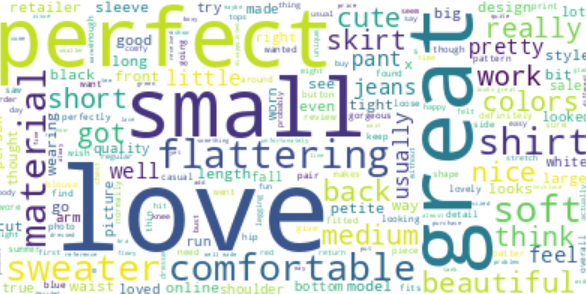
    Additionally, I have been getting acquainted with different forms of data visualization. I have some experience programming with python but usually for problem sets or web scraping so I was filled with anticipation to acquire a new skill. Specifically, I have focused on working on text analysis. With the help of tutorials, google, and Viraj from our lab, I was able to make a wordcloud that showed the most frequent words in a dataset that included reviews of women’s clothes from 2019 (shown below).
    Through this process, I was able to learn about various resources such as Kaggle and datacamp that provide datasets and tutorials to practice working with data. I originally tried using the NLTK library but I had several problems with my IDE (VSCode). With some troubleshooting help from lab members, I switched my approach to just using pandas, matplotlib, and wordcloud. I am happy I got it working and I’m looking forward to refining this skill. As I wrap my first week, I am beyond excited for the opportunities that lie ahead. This experience has ignited a passion for leveraging technology for civic engagement. I am grateful for the warm welcome, the technical help, and the inspiring conversations from this week. I am eager to collaborate and contribute to the work of the lab. :)